
- 8928475044
- fruutin@gmail.com
- Mon - Fri: 10:00 - 19:00

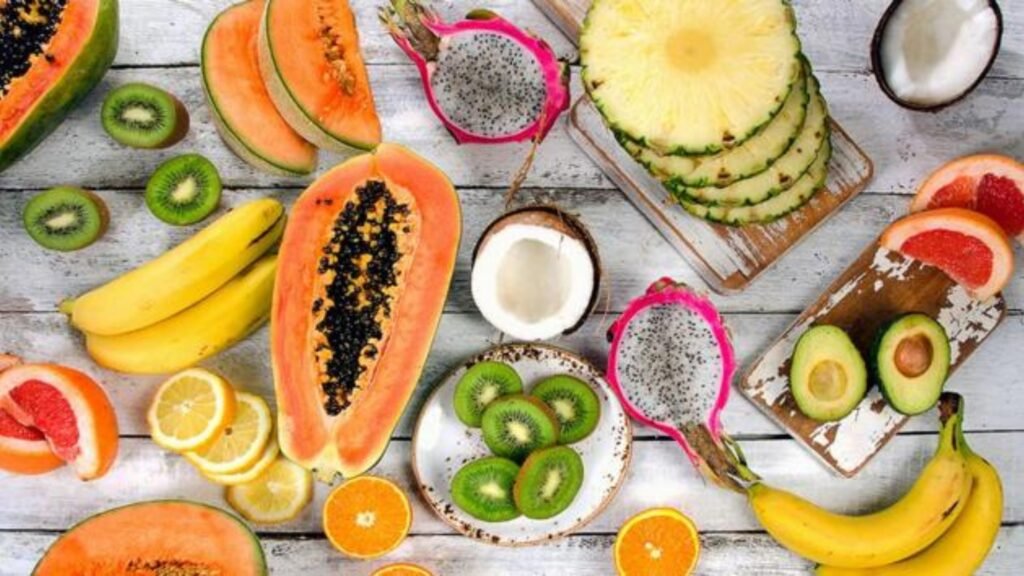
Pursuing optimal health and a fortified immune system, the significance of proper nutrition is undeniable. Fruits, abundant in essential vitamins, minerals, and antioxidants, form the foundation of a diet designed to reinforce the body’s protective barriers. In this context, we spotlight the top 10 fruits for boosting immunity, a selection that’s not only tantalizing to the taste buds but also serves as a powerful ally in enhancing your immune response. Embrace the benefits of the top 10 fruits for boosting immunity, and empower your journey towards a healthier, more shielded you.

Transitioning into the realm of citrus fruits, it’s clear why they top the list.
These testy fruits are famed for their high vitamin C content, a nutrient crucial in increasing the production of white blood cells. These cells are key players in fighting infections, making citrus fruits your go-to for immune support.
Next, we explore the vibrant world of berries, where color meets health.
Berries are a powerhouse of antioxidants, particularly flavonoids, which enhance immune response and protect against illness. Their high vitamin C and fiber content also contribute to their immune-boosting properties.
Papayas aren’t just tropical delights; they’re also immune system benefactors.
Papaya is another fruit loaded with vitamin C and also boasts the digestive enzyme, papain. With a unique constellation of antioxidants, papayas can improve immune function and mitigate inflammation.
Delving into the unique offerings of kiwi, its nutritional profile impresses.
Kiwis are nutrient-dense fruits rich in vitamins C and E, potassium, and folate. They contribute to immune defense by supporting the functions of white blood cells and antibodies.
Apples, often hailed as everyday fruits, hold more than meets the eye.
With a substantial amount of fiber and flavonoids, apples are excellent for gut health, which is crucial for a strong immune system. Their balanced nutrient composition makes them a wise choice for daily consumption.

Grapes, especially the dark varieties, are not just for fine wines.
These small fruits are rich in compounds like resveratrol and quercetin, which have been shown to have immune-boosting and anti-inflammatory properties, while also supporting cardiovascular health.
Watermelon, a summer favorite, also plays a role in immune health.
It’s not just refreshing; it’s also rich in lycopene, an antioxidant known for its immune-enhancing effects. Plus, its high water content helps maintain hydration, a key factor in optimal immune function.
Pomegranates have been cherished for centuries, not just for their taste but for their health benefits.
They are loaded with antioxidants, including punicalagins and anthocyanins, which help fight infection and inflammation, thus supporting the immune system.
Mangoes are not just about their irresistible taste; they’re a health powerhouse too.
Rich in vitamins A, C, and E, mangoes strengthen the immune system by promoting the health of white blood cells and combating free radicals.
Last but not least, avocados are more than a culinary trend.
They are rich in healthy fats and contain a good amount of vitamin E, an antioxidant that aids in immune function. Their high nutrient density makes them an excellent choice for overall health.

Adding these top 10 fruits for boosting immunity into your daily routine can greatly enhance your body’s defense mechanisms. The rich variety provided by nature not only caters to your palate but also strengthens your immune system. By embracing the top 10 fruits for boosting immunity, you tap into nature’s reservoir of health, fortifying your body’s defenses. Indulge in these nutritious delights and leverage the top 10 fruits for boosting immunity for a more vigorous and robust well-being.
The primary benefits of including these fruits in your diet are enhanced immune function, increased intake of essential vitamins and antioxidants, and improved overall health. These fruits offer a range of nutrients that help in fortifying the body’s defenses against illnesses.
Citrus fruits, such as oranges, lemons, and grapefruits, are rich in vitamin C, a vital nutrient that increases the production of white blood cells. These cells play a crucial role in fighting infections, thereby boosting the body’s immune response.
Absolutely! These fruits can be easily incorporated into various diets. They can be consumed as whole fruits, in salads, smoothies, or juices. It’s always best to consult with a healthcare professional or nutritionist to tailor your fruit intake to your specific dietary needs.
While these fruits are generally safe for consumption, some individuals might experience allergic reactions or sensitivities to specific fruits. It’s important to be aware of your body’s reactions and consult a healthcare professional if you have any known allergies or experience any adverse effects.
Regular consumption of these fruits can contribute to a stronger immune system. It’s generally recommended to include a variety of fruits in your daily diet to ensure a balanced intake of nutrients. However, the specific quantity and frequency can vary based on individual health needs and dietary preferences. Consulting with a healthcare professional can provide personalized guidance.