- 8928475044
- fruutin@gmail.com
- Mon - Fri: 10:00 - 19:00


In the realm of healthy eating, ensuring the longevity and freshness of our food is paramount. This is especially true for fruits, where preserving their nutritional value and taste post-cutting is a challenge many face. This article is designed to guide you through the best practices to Store Cut Fruits, ensuring they remain as fresh, vibrant, and nutritious as when they were first sliced.
:max_bytes(150000):strip_icc():format(webp)/cut-fruit-gettyimages-613841452_3-14cb65ec9b8e4273b7bc4d3210e7ac35.jpg)
Storing cut fruits correctly is crucial for several reasons. It helps in maintaining the nutritional integrity of the fruit, prevents waste, and saves money by extending the fruit’s edible life. The exposure of fruit flesh to air leads to oxidation, which can degrade its quality. Proper storage methods can significantly slow down this process.
The key to extending the shelf life of cut fruits lies in understanding their individual storage needs. However, there are general guidelines that apply to most:
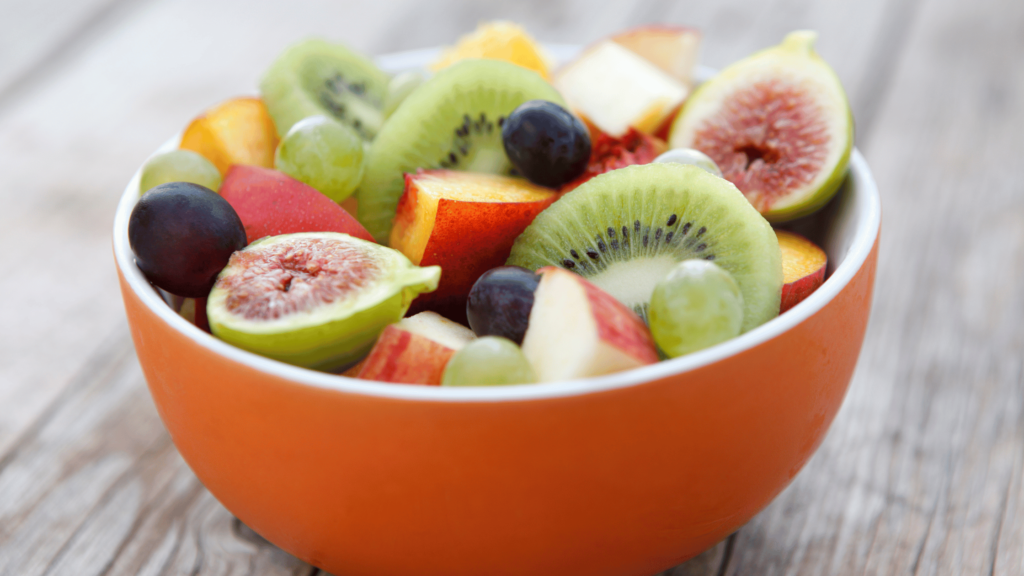
Different fruits have unique storage needs. Here’s how to store some popular choices:
Beyond traditional methods, innovative storage solutions can offer added convenience and effectiveness:
Maintaining cleanliness is crucial when storing cut fruits. Always use clean utensils and containers, and wash your hands thoroughly before handling fruits. This prevents the introduction of bacteria that can cause spoilage.
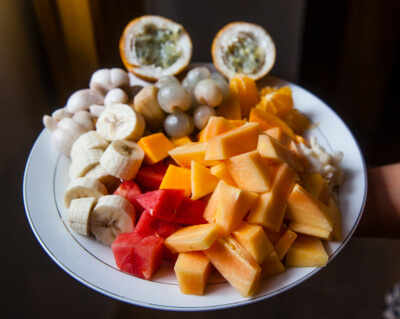
Storing cut fruits properly is an essential skill for anyone looking to maintain a healthy diet, reduce food waste, and save money. By following the guidelines outlined in this article, you can ensure that your fruits remain delicious, nutritious, and fresh for as long as possible. Remember, the key to successful fruit storage is understanding the specific needs of each fruit type, using the right storage methods, and maintaining good hygiene practices.
Cut fruits can last in the fridge for 3 to 7 days, depending on the type of fruit and how well it’s stored.
It’s not recommended to store cut fruits at room temperature for more than a few hours due to the risk of bacterial growth and quicker spoilage.
Browned fruit slices are generally safe to eat if they have been stored properly, though the browning indicates oxidation which might affect taste and texture.
Wilted fruits can sometimes be revived by soaking them in cold water for a few minutes, but this may not restore their original texture and taste.
The best way to store cut fruits for meal prep is in airtight containers in the fridge, possibly with a splash of lemon juice to prevent browning for certain fruits.